
Introduction
Plinko debuted on The Price is Right in 1983, captivating audiences with a plywood board studded with pegs and a disc that bounced unpredictably to land in slots worth cash prizes. Players watched their fate unfold through sheer physics, cheering or groaning based on where gravity pulled. Fast forward to today, and Plinko surges in popularity online, promising real money wins amid flashing lights and digital multipliers. Yet whispers persist: does the Plinko game real thrill hold up, or has it morphed into something rigged? Skeptics label it a mirage, questioning if Plinko online versions truly deliver fair drops or just house-favored illusions.
This doubt fuels endless debates across forums and casinos. Is Plinko fake, a clever algorithm dressed as chance? Or does it mirror the TV classic faithfully? Players chase answers amid hype, wary of scams that mimic the drop but drain wallets. Check sites like plinko is real or fake to test claims firsthand before wagering. This article cuts through the noise.
We dissect Plinko game rules from physical boards to virtual spins, probe fairness mechanics, and weigh evidence on legitimacy. By the end, you gain tools to spot genuine Plinko setups from predatory knockoffs, arming you to play—or walk away—with confidence. Expect no fluff: just facts on odds, tech, and tells that separate real drops from digital deceit.
Origins of Plinko
Television Debut and Physical Mechanics
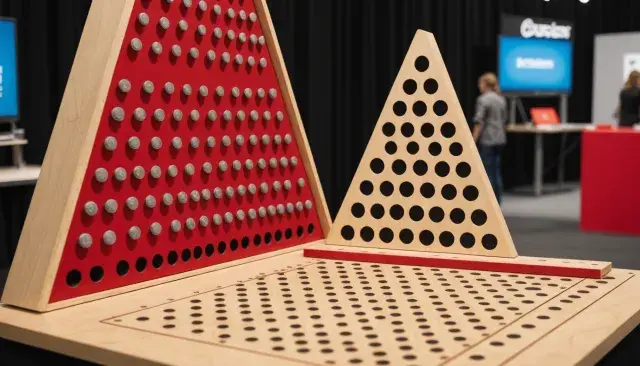
Plinko emerged as a segment on The Price is Right, designed by Frank Wayne. Contestants released discs from the top of a triangular board, navigating 12 rows of pegs to eight bottom slots with values from $100 to $10,000. Each bounce relied on precise peg spacing—about 4.5 inches apart—and disc weight around 4 ounces, ensuring chaotic yet bounded paths. No motors or fans interfered; pure Newtonian physics dictated outcomes.
Evolution to Casino and Arcade Versions
Casinos adapted Plinko into tabletop units by the 1990s, swapping cash for chips redeemable at cages. Pegs tightened to 3 inches for faster play, slots adjusted for house edges around 5-10%. Arcades added lights and sounds, but core drop mechanics stayed true. These versions proved Plinko game real in controlled environments, drawing crowds for its tactile unpredictability.
Cultural Impact and Popularity Surge
Plinko inspired memes, apps, and even physics simulations in classrooms. Its viral appeal spiked with social media clips of massive wins, cementing status as a luck icon. This foundation set expectations for online adaptations, where digital recreations had to match the honest chaos.
How Plinko Works: Core Rules and Mechanics
Standard Plinko Game Rules
A player buys chips or credits, chooses a drop point atop the board—typically nine slots—and releases the disc. It collides with pegs, veering left or right randomly, before settling in a bottom multiplier slot. Payouts scale with risk: center slots often pay even money, edges chase 100x bombs. Rounds last seconds, bets range from pennies to hundreds.
- Select entry point for strategic drops.
- Watch bounces across peg grid.
- Collect based on landing zone.
Physical vs. Digital Drop Dynamics
Physical Plinko favors slight biases from board wear or air currents, averaging 48% left-right splits per peg hit. Online versions use pseudo-random number generators (PRNGs) seeded by server time, simulating bounces frame-by-frame. Quality implementations match physical variance; poor ones skew toward low payouts.
Betting Options and Payout Structures
Modern Plinko online offers adjustable rows (8-16) and risk levels: low for steady small wins, high for volatile jackpots. RTP hovers 97-99% in legit setups, meaning $97 back per $100 bet long-term. Rules mandate clear paytables upfront—no hidden fees.
Plinko Online: Technology Under the Hood
Random Number Generation in Digital Plinko
Certified Plinko online platforms employ Provably Fair tech, letting players verify each drop via cryptographic hashes. Before release, the site generates a seed; post-drop, it reveals the chain proving no tampering. This makes Plinko game real tamper-proof, unlike unverified apps.
Software Providers and Platform Reliability
Developers like Hacksaw Gaming and BGaming build Plinko with HTML5 for instant play across devices. Reputable casinos integrate these via APIs, audited by labs like eCOGRA. Shaky sites run custom scripts prone to glitches, fueling is Plinko fake claims.
- Check for third-party audits.
- Test demo modes for consistency.
- Review player drop histories.
Customization Features and User Experience
Players tweak volatility, themes from classic to neon, and auto-drop for sessions. Smooth animations mask server calls, but lag signals poor code. Top versions replicate peg ricochet sounds and visuals pixel-perfect to TV roots.
Is Plinko Rigged? Fairness and Myths Debunked
Common Accusations of Being Fake
Complaints peak after loss streaks: "Discs hug walls!" Yet physics shows edge bias natural—about 20% more landings there. Online, heat from complaints ignores RTP math; houses win by volume, not single drops.
Evidence of Legitimate Plinko Game Real Operations
Regulated casinos post monthly reports showing 98% RTP adherence. Independent tests confirm PRNG entropy matches casino-grade standards. Physical Plinko undergoes weight checks pre-game, barring contestant sabotage.
Red Flags for Fake or Manipulated Versions
Avoid apps without licensing, those blocking screenshots, or paytable mismatches. Sudden payout drops mid-session scream server tweaks. Legit Plinko online displays seed verification always.
Legality and Safety in Playing Plinko
Regulations Across Jurisdictions
In the US, Plinko falls under skill-game loopholes in states like Florida, full casino oversight elsewhere. EU mandates MGA or UKGC seals for Plinko online. Unregulated zones breed fakes.
Choosing Safe Platforms
Prioritize sites with SSL, two-factor auth, and quick withdrawals. Read terms: max bets, session limits protect players. Demos let you gauge Plinko game rules sans risk.
Player Protection Measures
Self-exclusion tools and deposit caps standard on fair sites. Track playtime; Plinko's pace tempts marathon sessions. Set budgets matching RTP realities.
Strategies and Real Player Experiences
Basic Tactics for Better Odds
Center drops yield steadier results in low-volatility; edges suit high-risk. Multi-drop bonuses compound wins. No pattern predicts bounces—embrace variance.
Case Studies of Big Wins and Losses
A 2022 streamer hit 1000x on Hacksaw Plinko, verified on-chain. Contrasts include app users reporting locked funds post-win, hallmarks of scams. Real tales stress bankroll discipline.
Community Insights and Long-Term Play
Forums share heat maps: 16-row boards cluster 40% in mid-low slots. Veterans advise short sessions, treating Plinko as entertainment, not income.
Frequently Asked Questions
Can you win real money on Plinko online?
Yes, licensed casinos pay out via crypto or fiat on verified wins. Expect house edge; treat as fun with limits. Unlicensed sites often default on payouts.
What makes Plinko game rules different online vs. physical?
Online adds adjustable risks and provable fairness; physical sticks to fixed slots. Both hinge on random bounces, but digital verifies integrity post-drop.
How do I know if Plinko is fake on a new site?
Look for no verifiable RTP, absent seeds, or payout delays. Test small bets; legit platforms process instantly and offer demos matching live play.
Are there strategies to beat Plinko?
No foolproof methods exist due to randomness. Adjust drop points and volatility to fit bankroll, but long-term, house edge prevails.
Is Plinko legal in my country?
Check local laws: casino games banned outright in some places, allowed via sweeps models elsewhere. Licensed global sites geo-block restricted areas.
Why do Plinko discs favor certain slots?
Physics creates slight edge bias from peg angles; online mirrors this via tuned algorithms. Fair versions disclose distributions upfront.